
What Happens to Your Savings if World War 3 Starts in the Middle East?
-
Imagine waking up to breaking news of a major conflict erupting in the Middle East. As markets react and oil prices surge, a single question likely dominates your mind: "What happens to my savings now?" While the headlines are alarming, staying calm and informed is your best defense against financial instability.
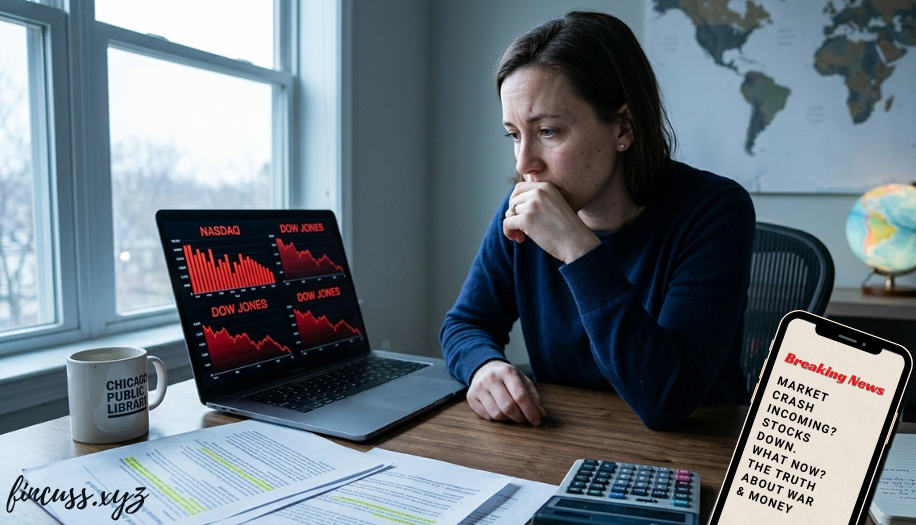
The Economic Ripple Effect
The Middle East is the heart of the global oil supply. When conflict disrupts this region, a chain reaction begins: oil prices spike, transportation costs soar, and inflation rises.
This isn't just a global issue; it directly impacts your wallet through pricier groceries, fuel, and travel.
The Banking System: Safety vs. Value
Your money in a savings account is generally safe from disappearance, especially in developed nations where deposit insurance (like the FDIC's $250,000 limit) remains in place. However, you face two silent risks:
-
Purchasing Power Erosion: If inflation jumps to 12% while your account earns only 4%, you are effectively losing 8% of your wealth annually.
-
Systemic Stress: Research indicates that the risk of a banking crisis is 2.5 times higher during periods of conflict.
The "War Puzzle" of the Stock Market
Paradoxically, history shows that while markets dip initially — often by 3–8% — they are remarkably resilient. This phenomenon is known as the "War Puzzle."
-
Historical Fact: During WWII, despite the global devastation, the Dow Jones rose by 50%.
-
Sector Shifts: While tech and aviation may slump, the defense and energy sectors often see record growth.
-
The 2025 Reality: Recent data from 2025 shows that even after short-term dips of 5–13%, markets often recover within a year.
Seeking "Safe Haven" Assets
When traditional markets fluctuate, "hard assets" become a priority.
-
Gold: The ultimate store of value. In 2025, gold surged by 50% as central banks purchased record amounts to hedge against uncertainty.
-
The US Dollar & Swiss Franc: Investors often rush to these currencies for stability; for example, the Swiss Franc gained 13% against the dollar during the geopolitical tensions of 2025.
-
Crypto: Bitcoin is unpredictable; while some view it as "digital gold," it remains a high-risk asset during crises.
Your Expert Action Plan
To protect your future, follow these four strategic steps:
-
Don’t Panic Sell: Selling during a crash locks in your losses; markets fall fast but rarely stay down forever.
-
Maintain a Crisis Buffer: Keep 3–6 months of expenses in an accessible, insured account, as well as a small amount of physical cash for emergencies.
-
Diversify Your Portfolio: A resilient mix includes 40-60% global equities, 10-20% bonds, and 5-15% gold.
-
Reduce High-Interest Debt: Pay down variable-rate loans now, as interest rates often rise to combat war-driven inflation.
Conclusion
A global conflict is a serious scenario, but the biggest danger to your savings is a panic-driven decision. History teaches us that while uncertainty is temporary, growth is long-term. By staying diversified and disciplined, you won't just protect your savings; you'll ensure they are ready to grow when the sky clears.
-